
Commercial grade cleaning solutions are specialized products designed to tackle heavy-duty dirt, stains, and contaminants in professional environments. In many facilities, commercial pressure washing has become a trusted method to enhance maintenance practices. These high-performance products are formulated to withstand the rigors of large-scale cleaning tasks in industries such as healthcare, hospitality, and manufacturing. They offer superior efficacy compared to residential products, ensuring cleaner, safer environments while meeting strict safety and regulatory standards.
What Are Commercial Grade Cleaning Solutions and Why Do They Matter?
Commercial grade cleaning solutions are engineered for high-traffic, high-contamination environments. Their potent formulations remove stubborn dirt, bacteria, and grime quickly. They are essential for maintaining hygiene standards, protecting public health, and extending the lifespan of critical equipment and surfaces. Tested in real-world conditions, these solutions guarantee that cleanliness and safety are never compromised.
What Defines Commercial Grade Cleaning Solutions?
These solutions are characterized by robust chemical compositions, high concentration, proven efficacy, and strict safety standards. They typically contain active agents such as disinfectants, degreasers, and detergents that eliminate pathogens and resistant stains. For instance, hospital products often include quaternary ammonium compounds (Quats) and hydrogen peroxide. Their formulations are tested to meet EPA and OSHA requirements and are available in concentrated forms that reduce dilution needs, making them both economical and environmentally sustainable.
How Do Commercial Solutions Differ From Residential Cleaning Products?
The key differences lie in strength, formulation, and intended use. Commercial products are far more concentrated and potent than residential ones, designed to deliver results in a single application even when contaminants have heavily accumulated. Residential products are milder and meant for everyday cleaning, while commercial solutions require trained personnel and comply with stricter industry standards, often accompanied by detailed usage instructions.
Which Industries Benefit Most From Commercial Grade Cleaning Solutions?
Industries that benefit include healthcare, hospitality, manufacturing, education, and retail. Healthcare facilities use them to prevent the spread of infections, while hospitality venues rely on them for maintaining presentation standards. Manufacturing plants employ potent degreasers and sanitizers to keep production environments contaminant-free. Similarly, educational and retail environments benefit by ensuring shared spaces remain hygienic and safe, reducing sick days among staff and customers.
Which Types of Commercial Cleaning Products Should You Consider?
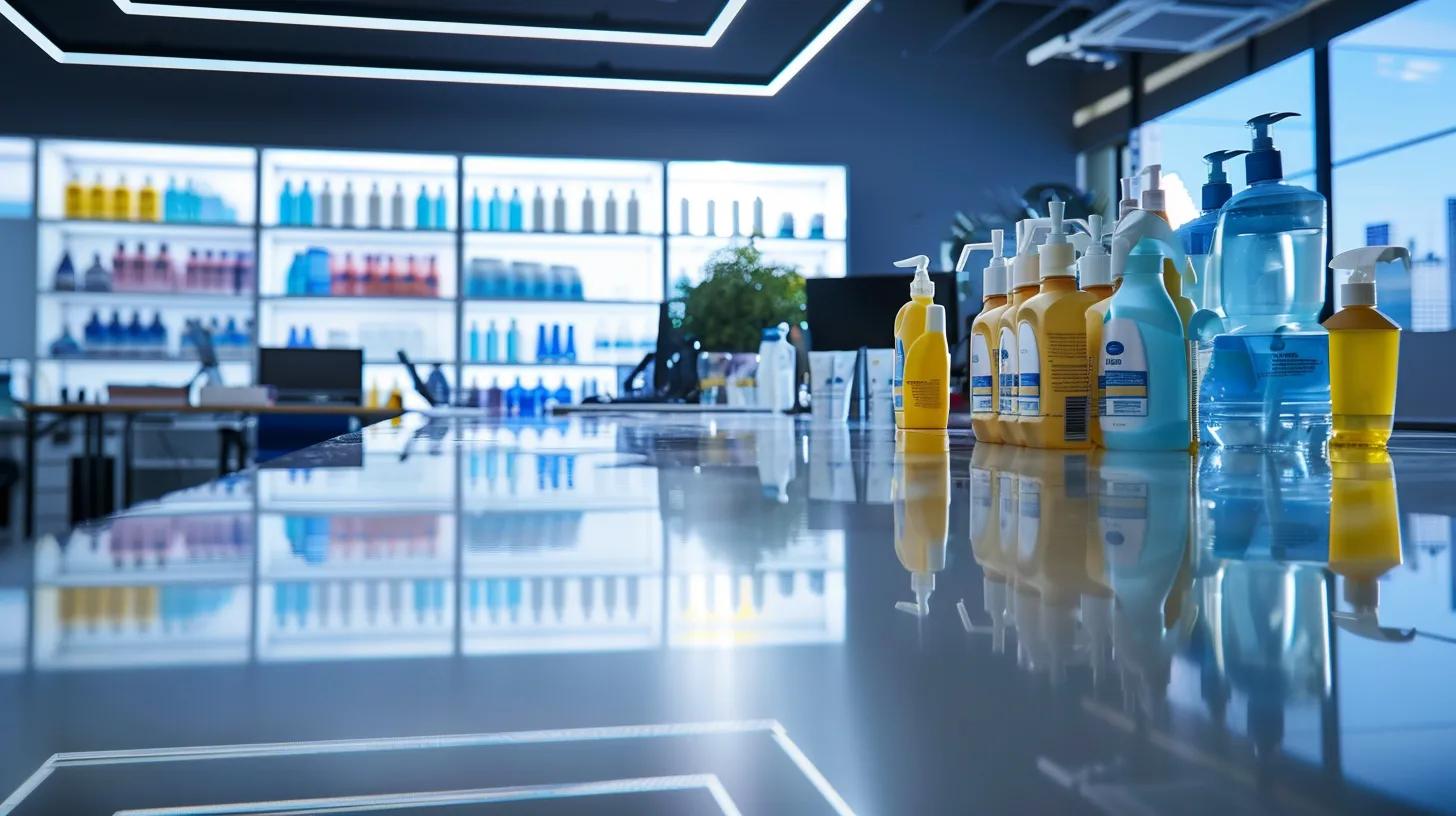
When selecting commercial cleaning products, it is crucial to consider products designed for specific tasks and surfaces. The choice depends on the level of contamination, the type of surface, and industry regulations. Understanding the key features and target applications of different products helps businesses optimize routines, cut labor costs, and ensure a healthier environment.
What Are the Key Features of Disinfectants and Sanitizers?
Disinfectants and sanitizers provide broad-spectrum antimicrobial activity with rapid kill times and stable performance on surfaces. Disinfectants target bacteria, viruses, and fungi using agents like chlorine, hydrogen peroxide, or alcohol, and require a specified contact time to ensure complete microbial kill. Sanitizers, while similar, are used when a lower level of disinfection suffices, primarily reducing bacterial load to safe levels. Both types are vital in kitchens, hospitals, and schools and are formulated to leave minimal residue.
How to Choose the Right Floor Cleaners for Different Surfaces?
Selecting a floor cleaner requires an analysis of your flooring type, traffic level, and soil type. For durable surfaces such as tile, concrete, or sealed stone, alkaline or high-alkaline degreasers work well by breaking down grease and deeply embedded dirt. For delicate surfaces like hardwood or natural stone, pH-neutral cleaners are ideal to avoid damage and extend floor life. Consider application frequency too — mop systems might favor eco-friendly formulas that minimize residue, while industrial scrubbers need solutions compatible with high-pressure equipment.
When Should You Use Specialized Cleaning Equipment?
Specialized equipment is necessary when general supplies are insufficient for the scale or type of cleaning. Pressure washers, for example, are ideal for removing grime from exterior surfaces such as facades and driveways. Floor scrubbers or auto-scrubbers are suited for large, flat surfaces in warehouses or commercial kitchens where manual cleaning is impractical. Equipment like microfiber mops and electrostatic sprayers can improve solution reach and efficacy, leading to better results and cost savings.
What Role Does Training and Support Play in Effective Cleaning?
Proper training and ongoing support are crucial for effective cleaning with commercial solutions. Training ensures that staff understand product instructions, dilution ratios, application techniques, and the use of personal protective equipment (PPE). Regular support from suppliers helps troubleshoot issues and refine cleaning processes, ultimately reducing accidents and improving outcomes while extending equipment life and overall productivity.
How to Evaluate Cleaning Solutions for Performance, Sustainability, and Cost Efficiency?
Evaluating cleaning solutions requires assessing their efficacy, environmental impact, and cost-effectiveness. This involves reviewing laboratory testing data, real-world performance feedback, and cost comparisons over time. The goal is to ensure that the chosen products not only perform well but also meet sustainability goals and budgetary constraints.
What Makes a Cleaning Solution Effective in Commercial Environments?
An effective cleaning solution consistently removes dirt, stains, and bacteria in one application. Its performance can be measured by contact time, residue levels, and microbial reduction. For example, disinfectants that deliver a 99.9% kill rate within a specific contact time are preferred in healthcare settings. Additionally, effective solutions work on diverse surfaces and in varying environmental conditions, with independent certifications (such as EPA approvals) providing further validation.
How to Identify Eco-Friendly and Sustainable Cleaning Products?
Eco-friendly cleaning products are marked by certifications like Green Seal, EcoLogo, or LEED credits. They have low chemical toxicity, are biodegradable, and use sustainable ingredients and recyclable packaging. Such products not only perform cleaning tasks effectively but also minimize environmental impact throughout their lifecycle, making them an increasingly popular choice for businesses committed to corporate social responsibility.
How Can Commercial Solutions Reduce Labor and Waste Costs?
Because commercial cleaning solutions are highly concentrated, they require less product per use, reducing labor and waste costs. Their rapid action cuts the time needed for cleaning, and lower residue means less frequent re-cleaning and maintenance. For example, a concentrated detergent diluted on-site minimizes packaging waste and overall chemical use, while also reducing water and energy consumption.
Which Industry-Specific Cleaning Solutions Are Best for Your Business?
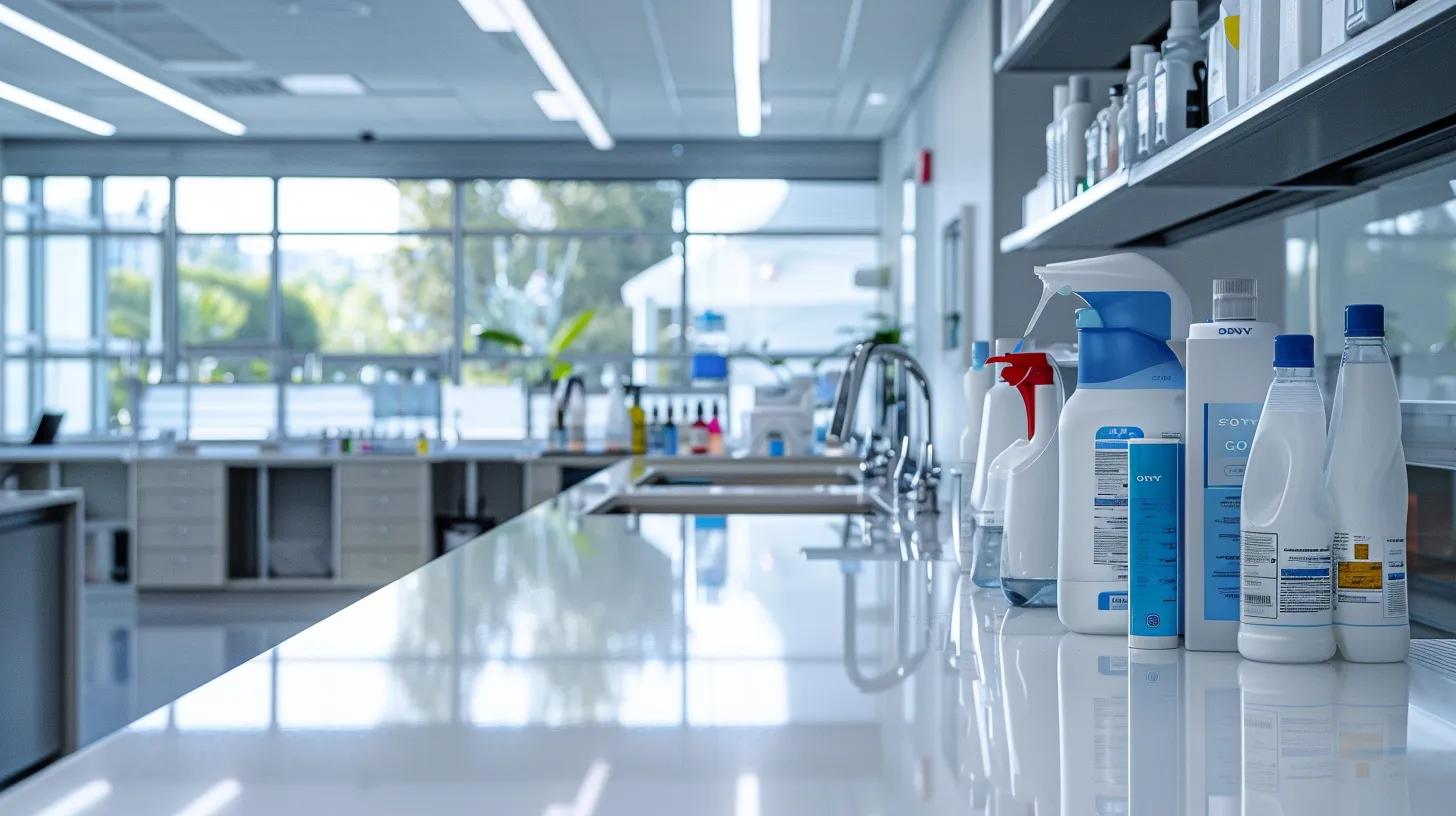
The best cleaning solutions depend on your industry’s unique requirements. Healthcare, hospitality, manufacturing, and education each have specific challenges that demand specially formulated products. Tailored cleaning regimens that address the risks and contaminant types in each sector can lead to marked improvements in hygiene and operational efficiency.
What Cleaning Standards Apply to Healthcare and Medical Facilities?
Healthcare facilities must meet stringent cleaning standards to prevent infections. Cleaning products used in these environments follow EPA and CDC guidelines, effectively eliminating bacteria, viruses, and fungi. They are rigorously tested, with features such as rapid kill times and low residue being critical to protect sensitive medical equipment and reduce hospital-acquired infections (HAIs).
How Are Cleaning Solutions Customized for Hospitality and Retail?
In hospitality and retail, cleaning solutions are optimized for aesthetics and high-traffic durability. Floor cleaners in hotels, for example, enhance shine and reduce slip risks, while restaurant disinfectants maintain food safety without affecting taste or odor. These products are designed for ease of use, rapid drying, and often include fragrance options and eco-friendly formulations to meet customer and regulatory expectations.
What Are the Best Practices for Manufacturing and Education Environments?
In manufacturing, cleaning solutions must effectively remove grease, oil, and industrial residues while protecting equipment from corrosion. Degreasers and alkaline cleaners are commonly used in such settings. In educational environments, the focus is on creating hygienic spaces for students and staff using safe, child-friendly disinfectants in high-touch areas like classrooms and restrooms. Combining automated equipment with high-performance solutions can further streamline operations and improve safety.
What Are the Most Common Cleaning Methods and Chemicals Used Commercially?
An efficient cleaning program relies on methods such as spraying, wiping, mopping, and scrubbing. The choice of chemical depends on the required sanitation level and surface compatibility. Understanding how different cleaning methods work helps in selecting the right approach for each task, ensuring optimal removal of contaminants.
How Do Spraying, Wiping, Mopping, and Scrubbing Differ in Application?
Spraying helps distribute disinfectants quickly over large or irregular surfaces. Wiping uses cloths to physically remove dirt and residues, while mopping, combined with a detergent solution, lifts soils from flat surfaces. Scrubbing, performed with brushes or specialized equipment, targets stubborn stains. Often, a combination of these methods is used to achieve the best cleaning outcome.
What Are the Benefits and Risks of Bleach, Quats, and Hydrogen Peroxide?
Bleach offers fast disinfection and broad activity but can be corrosive and must be diluted properly. Quats provide residual antimicrobial effects and are gentler on surfaces but may cause skin irritation if misused. Hydrogen peroxide leaves no toxic residue and breaks down to water and oxygen; however, its effectiveness can be reduced by organic material. Balancing benefits and risks is key when choosing the appropriate disinfectant.
How to Match Cleaning Chemicals to Surfaces Like Floors, Walls, and Equipment?
Matching the right chemical to a surface involves considering chemical compatibility. Acidic cleaners work well on ceramic tiles for removing mineral deposits but may damage natural stone or metal. Alkaline cleaners are effective on greasy residues typically found on industrial floors, while neutral pH cleaners suit delicate surfaces such as painted walls. Always consult manufacturer guidelines and perform spot tests when introducing a new product.
How to Ensure Compliance With Cleaning Standards and Safety Regulations?
Compliance with federal and state cleaning standards safeguards both occupants and the environment. Regular audits, proper training, and diligent record-keeping of cleaning procedures and product certifications are essential to avoid legal issues and maintain a credible operation.
What Are EPA and OSHA Requirements for Commercial Cleaning?
EPA guidelines regulate chemical residue levels, emissions, and proper disposal of hazardous waste in cleaning products. OSHA sets standards for the safe handling of chemicals, including the use of personal protective equipment (PPE) and proper training. Materials Safety Data Sheets (MSDS) must accompany cleaning solutions to help minimize exposure risks.
How Does LEED Certification Influence Cleaning Product Choices?
LEED certification encourages the use of cleaning products that have low VOC emissions, are made from sustainable ingredients, and use eco-friendly packaging. Such products not only support environmental conservation but can also help reduce operating costs through energy and water savings.
What Training Is Needed to Maintain Safety and Effectiveness?
Maintaining safety requires comprehensive training in proper chemical handling, equipment operation, and cleaning techniques. Staff must be trained on correct dilution methods, PPE use, and emergency procedures. Ongoing training ensures everyone stays updated with the latest protocols and best practices, promoting a safer workplace.
Where Can You Find Reliable Commercial Grade Cleaning Solutions and Support?
Reliable solutions and ongoing support can be found through reputable suppliers and distributors specializing in industrial cleaning products. These partners offer not only high-performance products but also technical support, training, and structured product details to help businesses maintain optimal cleaning practices.
How to Choose a Trusted Supplier Like CleanTech Solutions?
When choosing a supplier, consider their track record, product certifications, and support services. A trusted supplier such as CleanTech Solutions provides transparent product data, complies with EPA, OSHA, and LEED standards, and offers training and technical assistance. Long-term collaboration can result in cost efficiencies, reliable product availability, and access to innovative cleaning technologies.
What Are the Benefits of Structured Product Information and Internal Linking?
Structured product information—detailed specifications, safety data, and application guidelines—helps cleaning staff use products correctly and safely. Internal linking on a supplier’s website connects product data sheets, user guides, and case studies, which can speed up troubleshooting while demonstrating the supplier’s commitment to transparency and education.
How Does Expert Support Enhance Cleaning Outcomes?
Expert support provides real-time troubleshooting, personalized product recommendations, and guidance on best practices. This assistance enables cleaning teams to optimize product usage, quickly resolve issues, and adapt cleaning protocols to specific facility needs. Overall, expert support contributes to improved efficiency and safer, more consistent cleaning results.
Comparison Table: Commercial Cleaning Solutions Overview
Before concluding, the table below summarizes key commercial cleaning solutions across various industries, detailing their primary function, key features, and benefits.
| Product Type | Primary Function | Key Features | Benefits |
|---|---|---|---|
| Disinfectants & Sanitizers | Eliminate pathogens across surfaces | Rapid kill time; broad-spectrum action | Quick, effective pathogen reduction |
| Floor Cleaners | Clean and protect high-traffic floors | pH-specific formulations; non-residue finish | Enhances floor longevity; safe for many surfaces |
| Degreasers | Remove industrial grease and oils | High alkalinity; concentrated action | Reduces labor time; effective on heavy soils |
| Eco-Friendly Cleaners | Sustainable cleaning with low VOCs | Biodegradable; green certifications | Minimizes environmental footprint |
Frequently Asked Questions
Q: What makes commercial grade cleaning solutions more effective than residential ones? A: They are more concentrated and designed for heavy-duty cleaning, meeting strict industry standards for effective contaminant removal.
Q: Are these cleaning products safe for all types of surfaces? A: Generally yes, though matching the agent to the surface (such as pH-neutral for delicate surfaces) is important for safety and optimal results.
Q: How can I ensure my cleaning staff uses these products safely? A: Comprehensive training on dilution, application techniques, and proper PPE use, supported by regular safety updates and expert assistance, is key.
Q: Do eco-friendly cleaning solutions perform as well as conventional products? A: Modern eco-friendly products are engineered to match the performance of conventional options while reducing environmental impact. Certifications like Green Seal indicate their efficacy.
Q: Can specialized cleaning equipment reduce overall cleaning costs? A: Yes, equipment such as pressure washers and auto-scrubbers, when used with targeted cleaning solutions, can lower labor and chemical use while improving efficiency.
Q: How do I verify that a cleaning product meets EPA and OSHA standards? A: Look for certifications on product labels and review the accompanying Material Safety Data Sheets (MSDS) for detailed compliance information.
Final Thoughts
Commercial grade cleaning solutions are indispensable for maintaining hygiene and operational efficiency in professional settings. By evaluating product performance, sustainability, and cost efficiency, businesses can select solutions that reduce labor and waste while enhancing overall safety. Industries like healthcare, hospitality, manufacturing, and education have unique cleaning requirements that necessitate tailored products and practices. Partnering with trusted suppliers and embracing technological advancements and sustainable methods are critical steps toward achieving lasting results and value.

studied Business Administration at Vanderbilt University and received his BA there.
- Pressure Washing Driveway Cost Factors Explained in Sarasota: Comprehensive Guide to Pricing and Eco-Friendly Solutions - July 2, 2026
- Can You Pressure Wash Your Own House? What Sarasota Homeowners Need to Know First - July 1, 2026
- Optimal Seasonal Schedule for Home Pressure Washing: Best Times and Eco-Friendly Practices - June 5, 2026