
Industrial strength cleaners are essential for pressure washing in commercial applications. They are specially formulated to break down stubborn stains, grease, dirt, and corrosion from various surfaces, making them ideal for commercial pressure washing projects and enabling pressure washers to deliver a deep, efficient clean while preserving surface integrity. In an era when safety, environmental considerations, and operational efficiency are critical, choosing the right industrial cleaner not only produces pristine results but also protects equipment and surfaces from damage over time.
What Are Industrial Strength Cleaners and Why Are They Essential for Pressure Washing?
Industrial strength cleaners use high-concentration active ingredients to provide superior cleaning power in demanding situations. They play a vital role in pressure washing by removing contaminants and organic residues from surfaces like concrete, metal, and tile. These cleaners are indispensable in environments such as food processing facilities, fuel storage areas, and industrial plants because they dissolve heavy grease, oil, and corrosion that household products cannot handle.
By combining these cleaners with high-pressure water jets, operators can achieve faster, more effective cleaning. Many formulations are designed to reduce contact time, thereby cutting labor costs while decreasing water usage and chemical runoff. Additives in these products often improve environmental safety and protect surfaces from harsh chemical reactions.
What Makes a Cleaner Industrial Strength?
Industrial strength cleaners are defined by their high chemical potency, designed to tackle the most stubborn contaminants. They typically include concentrated emulsifiers, surfactants, solvents, and sometimes bioactive enzymes that break down organic matter. These ingredients enable the cleaner to penetrate deeply, loosening and dissolving built-up dirt. Key features include:
- High concentration of active ingredients
- Rapid removal of grease, oil, and grime
- Compatibility with high-pressure systems
- Compliance with industrial regulations
- Enhanced safety when used as directed
Modern formulations also incorporate environmentally friendly ingredients that meet strict discharge criteria while offering cleaning power equal to or greater than traditional chemicals.
How Do Industrial Cleaners Enhance Pressure Washing Performance?
These cleaners work synergistically with high-pressure water streams. Their chemical action loosens stubborn contaminants and emulsifies oils, allowing water jets to efficiently wash away residues. This dual mechanism reduces the need for excessive pressure, preserving both surfaces and equipment. In practice, pre-application of a cleaner minimizes the adhesion of dirt and grease so that less pressure and time are required to achieve a complete clean, prolonging equipment life and reducing overall energy consumption.
Which Surfaces Require Industrial Strength Cleaners?
Industrial strength cleaners are ideal for surfaces that gather heavy contamination and demand deep cleaning. These include:
- Concrete floors and driveways
- Metal surfaces on equipment, pipelines, and storage tanks
- Galvanized or painted surfaces vulnerable to corrosion
- Tile and grout in commercial kitchens and bathrooms
- Surfaces in food processing areas affected by grease and organic residues
Using an industrial-grade formulation ensures that contaminants are removed effectively while protecting the inherent durability of the underlying materials.
How to Choose the Right Industrial Cleaner for Different Pressure Washing Applications?
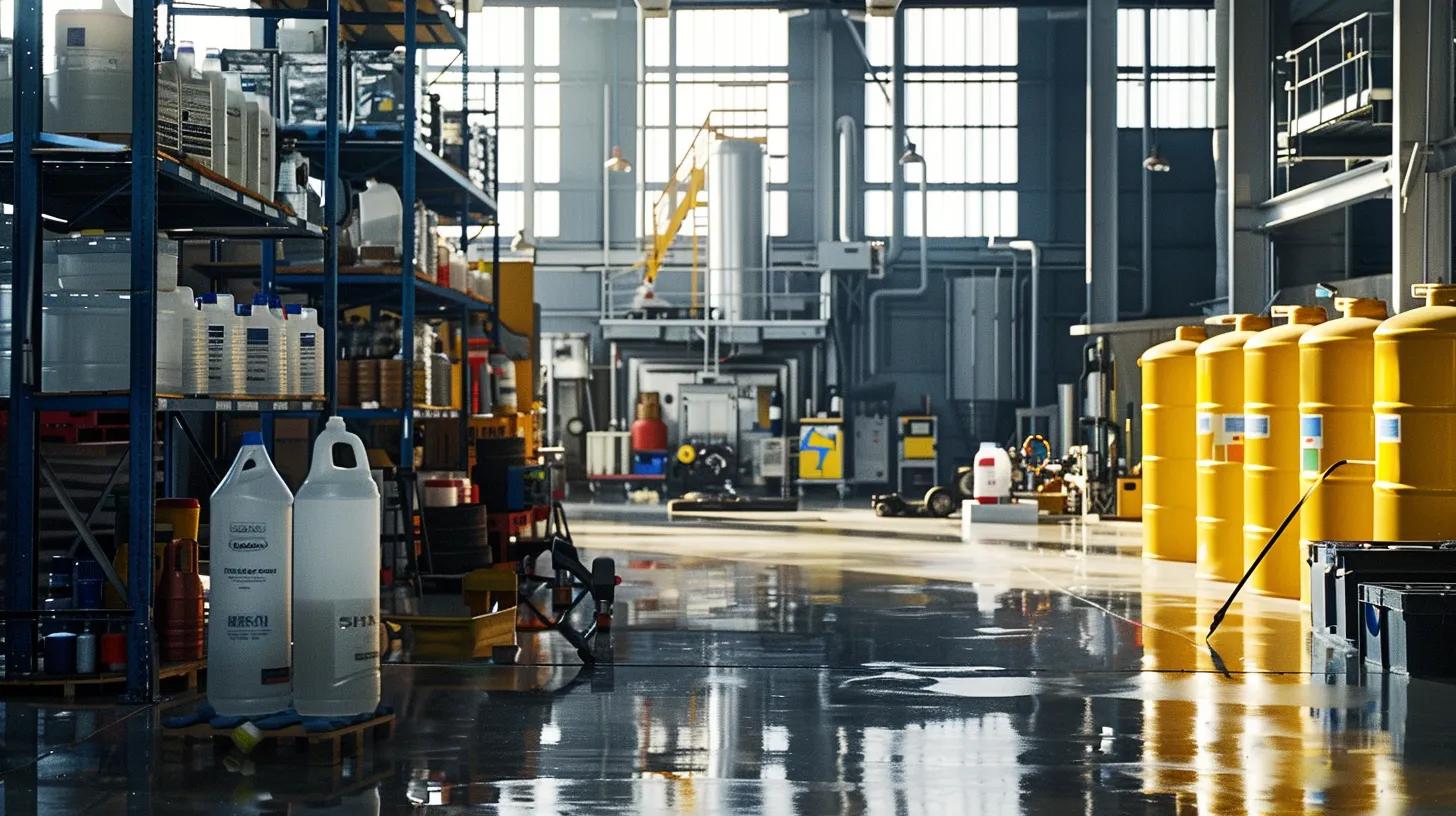
Selecting an industrial cleaner depends on understanding the cleaning challenge and matching the product to the specific needs of the surface and contaminant type. The goal is to maintain high cleaning efficiency while ensuring operational safety and extending equipment life.
What Factors Should You Consider When Selecting a Cleaner?
When selecting an industrial cleaner, consider the following factors:
- Chemical Composition: Ensure the active ingredients target the specific dirt, grease, or corrosion on the surface.
- Surface Compatibility: The cleaner must be suitable for the target material to prevent damage or etching.
- Environmental Impact: Choose cleaners that are eco-friendly and meet local regulatory standards.
- Application Method: Determine whether a foam, spray, or direct application method is most appropriate.
- Economic Efficiency: Concentrated formulations may offer long-term cost savings by reducing the quantity needed per use.
- Safety Requirements: Verify that the cleaner meets industrial hygiene standards and safety protocols, especially in sensitive areas like food processing.
Reviewing these factors leads to effective cleaning outcomes and helps ensure the project remains safe and sustainable.
How Do Cleaning Needs Vary by Industry?
Different industries face unique challenges that dictate the choice of industrial cleaner:
- Food Processing: Requires degreasers safe for surfaces that come into contact with food, free of harmful residues.
- Automotive and Diesel Engine Maintenance: Needs powerful solvents to remove engine oil, grease, and carbon deposits.
- Metal Fabrication: Often calls for formulations that include rust and corrosion inhibitors along with degreasers.
- Construction: Involves cleaning concrete and masonry by removing mortar residues and oil stains without damaging the surface texture.
- Medical and Laboratory Settings: Demand disinfectant cleaners that effectively remove both bacteria and visible contaminants.
Understanding the specific requirements of each industry ensures that the cleaner not only cleans effectively but also maintains the integrity and safety of the surfaces and equipment involved.
What Are the Differences Between Degreasers, Surface Cleaners, and Vehicle Wash Soaps?
The three common categories of industrial cleaners serve different functions:
- Degreasers: Formulated to break down heavy oils, greases, and lubricants. They use aggressive chemistries suited for heavy-soil industrial applications.
- Surface Cleaners: Designed for general-purpose cleaning without damaging surfaces. They typically contain surfactants that remove light to moderate contaminants effectively.
- Vehicle Wash Soaps: Engineered specifically for automotive exteriors, balancing cleaning power with gentle formulations to protect wax coatings and paint finishes.
Choosing the correct type depends on the cleaning task; for example, a degreaser is best for engine parts while a surface cleaner might be used for delicate tiles or painted surfaces.
Which Industrial Cleaners Are Best for Pressure Washing Concrete Surfaces?
Concrete requires special attention due to its porous nature and tendency to trap dirt, oil, and chemical residues. The ideal industrial cleaner for concrete both breaks down contaminants and shields the surface from harmful chemical reactions that could cause discoloration or damage.
What Are the Top Concrete Cleaners for Pressure Washing?
Top concrete cleaners are high-performance formulations specifically developed for masonry. They usually contain:
- High-Performance Alkaline Cleaners: Effective at neutralizing acidic stains and organic residues.
- Mild Acidic Cleaners: Suitable for removing mineral deposits and rust without etching the surface.
- Enzymatic Cleaners: Provide a biodegradable solution that breaks down organic matter gently.
These cleaners have demonstrated success in commercial applications, ensuring thorough cleaning while preserving the structural integrity of concrete surfaces.
How to Safely Use Concrete Cleaners With Pressure Washers?
Safety when using concrete cleaners is paramount. Follow these guidelines:
- Follow Instructions: Carefully read manufacturer guidelines regarding precautions and application.
- Proper Dilution: Mix the cleaner with water in the ratios specified to avoid over-concentration that could harm the concrete.
- Pre-Test: Test the solution on a small, inconspicuous area to check for adverse reactions.
- Use Protective Equipment: Wear safety goggles, gloves, and appropriate protective clothing to avoid chemical splashes.
- Adjust Pressure Settings: Use a pressure setting that cleans effectively without causing pitting or erosion of the concrete.
Adhering to these steps ensures safety while achieving a clean, durable surface.
What Are the Step-by-Step Methods to Clean Concrete Effectively?
Follow this process for clean, well-maintained concrete: 1. Preparation: Remove loose debris and cover sensitive adjacent surfaces.
2. Pre-Treatment: Apply the concrete cleaner evenly and allow it to dwell for 5–10 minutes.
3. Agitation: Gently brush the area with a rotary brush or low-pressure sprayer to enhance chemical penetration.
4. Pressure Washing: Rinse from the top down using a fan-type nozzle; adjust the pressure to avoid damaging the surface.
5. Rinse and Inspect: Thoroughly rinse out the cleaner and check for stubborn stains, repeating the process if necessary.
6. Post-Clean Sealing: Optionally, apply a sealer to help protect the concrete from future staining and simplify maintenance.
This structured method ensures deep cleaning and extends the life and appearance of concrete surfaces.
What Are the Best Industrial Degreasers and Cleaners for Metal Surfaces?
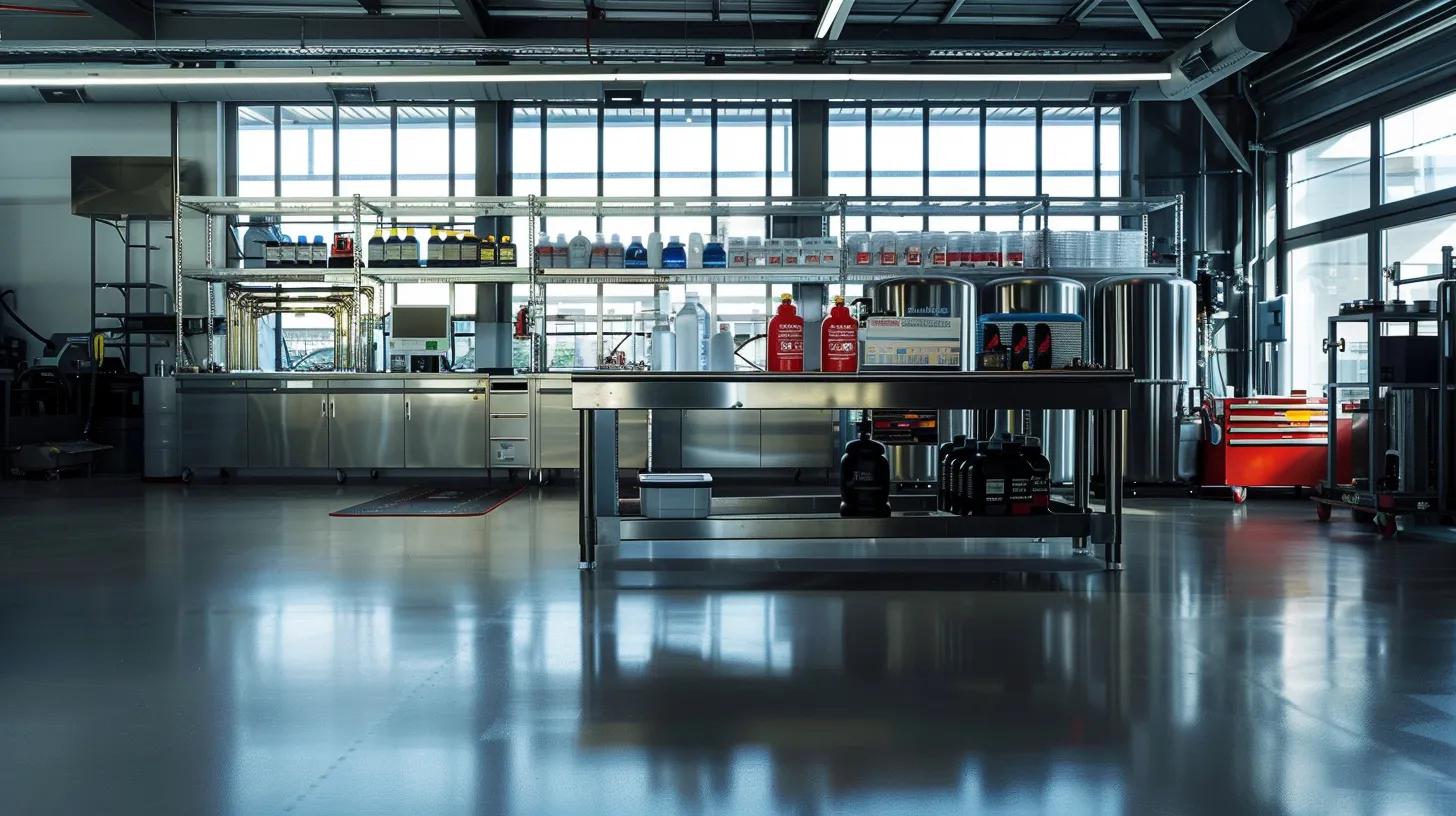
Metal surfaces in industrial environments often collect grease, oil, and corrosion deposits. The right degreaser cleans effectively while preventing further degradation, which is crucial for equipment such as machinery, pipelines, and storage tanks.
How Do Metal Degreasers Differ From Other Industrial Cleaners?
Metal degreasers are uniquely formulated with potent solvents that break down heavy lubricants. In contrast to general surface cleaners: – Higher Solvent Concentration: They dissolve tough grease and oil more effectively.
– Specific pH Levels: Often formulated as either strongly alkaline or acidic to target specific contaminants.
– Material Compatibility: Designed not to harm delicate metal alloys or protective coatings when used properly.
These formulations are selected based on the type of metal and contamination, ensuring effective cleaning while enhancing equipment longevity.
What Safety Measures Are Needed When Cleaning Metal With Pressure Washers?
When using degreasers on metal, safety is critical: – Ensure Ventilation: Work in well-ventilated areas to avoid inhaling VOCs.
– Wear PPE: Use chemical-resistant gloves, safety goggles, and respirators if needed.
– Training: Ensure all personnel are trained on proper mixing, application, and disposal of chemicals.
– Equipment Checks: Verify that hoses, nozzles, and pumps are compatible with the chemicals used.
– Set Up Emergency Procedures: Have spill kits and first aid readily available in case of accidents.
Following these safety protocols minimizes risk and protects both personnel and equipment.
Which Equipment Complements Metal Cleaning Solutions?
To maximize degreaser effectiveness on metal: – Adjustable Pressure Washers: Select models with adjustable settings to minimize damage to delicate surfaces.
– Specialized Nozzles: Choose nozzles that deliver a controlled, even spray without abrasive force.
– Surface Cleaner Attachments: Utilize attachments for a uniform cleaning pattern on flat or slightly curved surfaces.
– Heated Water Options: In some cases, heated water can enhance chemical action on stubborn grease.
– Chemical Injection Systems: Systems that inject chemicals directly into the water stream ensure even distribution.
These equipment options optimize cleaning performance and help preserve metal surfaces.
How Can Eco-Friendly Industrial Cleaners Improve Pressure Washing Results?
Eco-friendly industrial cleaners provide a sustainable alternative to harsh chemicals. They reduce chemical runoff and toxicity without sacrificing cleaning power. As companies strive to meet stricter environmental regulations and improve corporate responsibility, these cleaners are becoming increasingly popular.
What Are the Benefits of Using Eco-Friendly Cleaners for Industrial Pressure Washing?
Key benefits include: – Reduced Environmental Impact: They break down into harmless byproducts, minimizing pollution.
– Enhanced Worker Safety: Lower toxicity levels improve operator safety and compliance with health standards.
– Surface Protection: Gentle formulations protect surfaces from chemical damage.
– Cost Efficiency: Long-term savings can result from reduced equipment maintenance and waste disposal.
– Corporate Responsibility: Using eco-friendly products improves brand reputation among environmentally conscious clients.
These advantages support sustainable cleaning practices while maintaining high performance.
Which Eco-Friendly Cleaners Are Available for Different Surfaces?
Eco-friendly options include: – Biodegradable Degreasers: Remove grease and oil from metal surfaces without harmful residues.
– Plant-Based Surfactants: Ideal for cleaning concrete and masonry, emulsifying dirt with natural ingredients.
– Eco-Friendly Foam Cleaners: Designed for delicate surfaces like vehicle exteriors, producing minimal foam while ensuring effective cleaning.
– Enzymatic Cleaners: Break down organic stains safely for use on a variety of surfaces.
Each product is tailored to maintain cleaning performance while reducing environmental harm.
How to Balance Cleaning Power and Environmental Safety?
Striking the right balance involves: – Reviewing Certifications: Look for recognized environmental certifications (e.g., Green Seal, EcoLogo).
– Testing on Small Areas: Ensure the product is effective and safe on your specific surfaces.
– Optimizing Dilution: Follow manufacturer recommendations to avoid excess chemical runoff.
– Integrating Best Practices: Combine chemical cleaning with mechanical agitation and controlled water application to lower chemical usage.
These practices enable effective, sustainable cleaning.
What Pressure Washing Equipment Works Best With Industrial Cleaners?
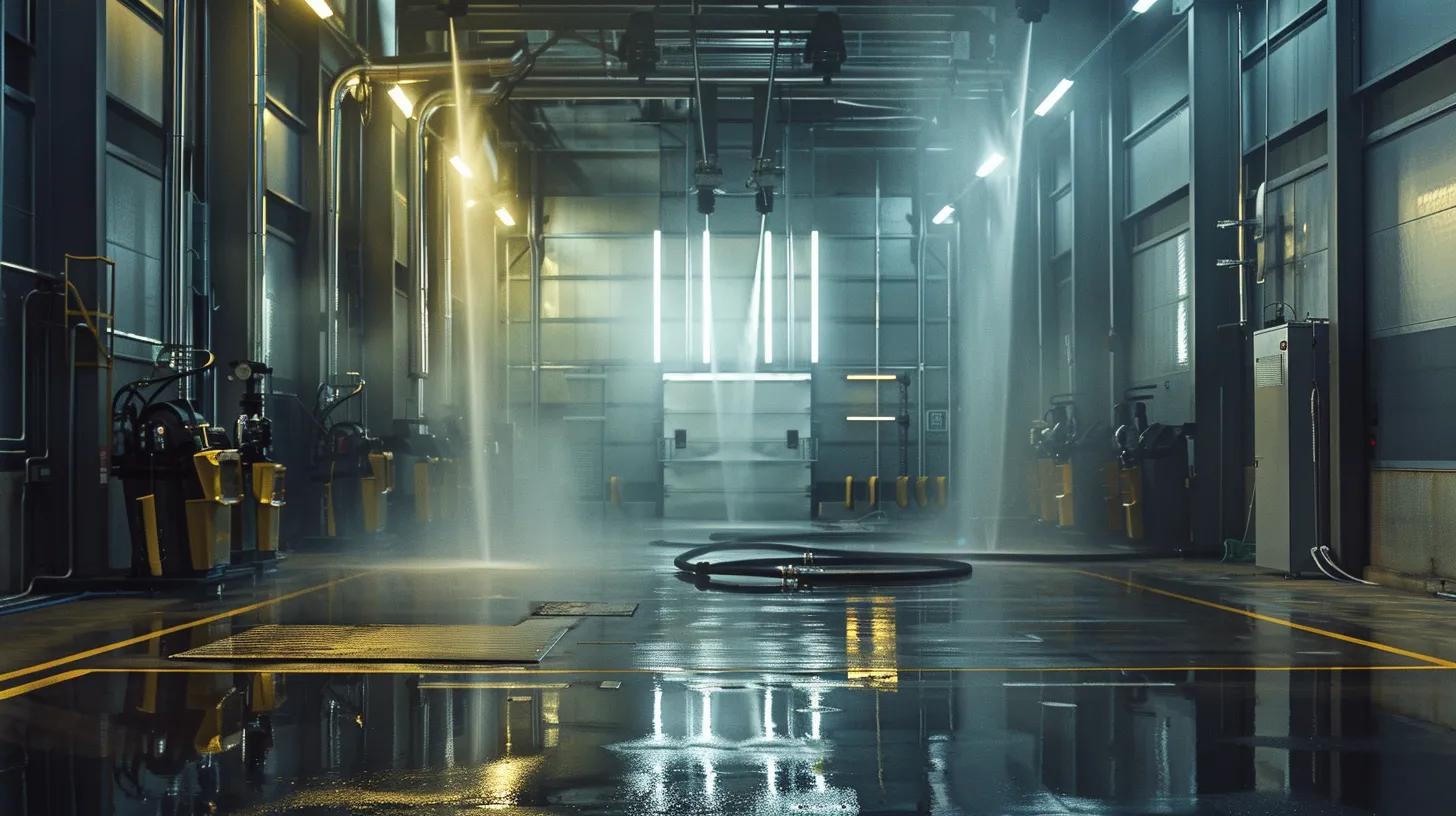
The right pressure washing equipment maximizes the efficiency of industrial cleaners. Both gas and electric models offer distinct advantages depending on the task.
How Do Gas and Electric Pressure Washers Compare for Industrial Cleaning?
- Gas Pressure Washers: Provide high pressure and flow rates ideal for heavy-duty cleaning. They are mobile and powerful but can be noisier and need more maintenance.
- Electric Pressure Washers: Quieter and lighter, these are suitable for indoor use or noise-sensitive areas. They offer sufficient pressure for many industrial tasks and work well with eco-friendly cleaners that require lower pressure.
Your choice depends on the cleaning job, desired efficiency, and site conditions.
What Role Do Nozzles and Surface Cleaners Play in Effective Cleaning?
Nozzles and attachments greatly impact the cleaning process: – Nozzles: Types like fan, rotary, and turbo offer different spray patterns and pressures to match surface requirements.
– Surface Cleaner Attachments: Ensure even water and cleaner distribution on flat surfaces, reducing the risk of streaks or damage.
Selecting compatible accessories ensures both effective cleaning and surface protection.
How to Match Equipment With Cleaner Types for Optimal Results?
To achieve the best results: – Assess the Surface: Choose a cleaner formulation suitable for porous, metallic, or delicate surfaces.
– Calibrate Pressure: Adjust settings based on the cleaner’s aggressiveness; high pressure for tough concrete stains, moderated for metals.
– Use Chemical Injection: Systems that inject cleaner into the water stream offer a consistent mix.
– Select Appropriate Nozzles: Use a fan nozzle for even spreading of biodegradable cleaners.
This alignment extends equipment life and enhances cleaning performance.
What Are the Common Safety Precautions and Best Practices When Using Industrial Cleaners for Pressure Washing?
Safety is paramount when handling industrial cleaning chemicals alongside pressure washers.
How to Handle and Store Industrial Cleaning Chemicals Safely?
Follow these practices: – Secure Storage: Keep chemicals in well-ventilated, cool, and dry areas away from ignition sources.
– Proper Labeling: Ensure all containers are clearly labeled with hazard warnings and instructions.
– Spill Containment: Use containment kits to manage accidental leaks.
– Regular Inspections: Check storage areas for leaks or deterioration frequently.
– Employee Training: Ensure all personnel are trained in proper handling, transportation, and disposal of these chemicals.
Adhering to these protocols minimizes the risk of accidents and downtime.
What Protective Gear Is Recommended During Pressure Washing?
Recommended PPE includes: – Chemical-Resistant Gloves
– Safety Goggles and Face Shields
– Protective Clothing (long sleeves, aprons, or coveralls)
– Respiratory Protection (if ventilation is limited)
– Hearing Protection (especially for gas-powered washers)
Using the correct PPE protects operators from chemical exposure and high-pressure water jets.
How to Prevent Surface Damage While Using Industrial Cleaners?
Prevent damage by: – Diluting Appropriately: Use the recommended dilution ratio to avoid over-concentration.
– Controlling Application Time: Do not let the cleaner sit on the surface longer than advised.
– Adjusting Pressure Settings: Use gentle pressure to prevent erosion or pitting.
– Conducting Pre-Tests: Always test the cleaner on a small area first.
– Rinsing Thoroughly: Remove all chemical residues with a complete rinse.
These practices ensure that surfaces maintain their appearance and structural integrity over time.
Where Can You Find Expert Advice and Support for Choosing Industrial Cleaners?

Expert advice is invaluable for navigating industrial cleaning needs. Consulting specialists like CleanTech Solutions can provide guidance tailored to your commercial requirements.
How Does Expert Consultation Help in Selecting the Right Cleaner?
Experts offer: – Customized Recommendations: Tailored suggestions based on specific contaminants and surfaces.
– Technical Support: Ongoing advice to optimize the use of cleaners with pressure washing equipment.
– Cost-Effective Solutions: Strategies to reduce chemical waste and operational costs.
– Training and Certification: Sessions to ensure staff are knowledgeable about safe and effective cleaning practices.
This personalized input builds confidence in the cleaning process and enhances results.
What Resources Are Available for Training and Product Guidance?
Resources include: – Manufacturer Websites: Detailed manuals, technical sheets, and application videos.
– Industry Seminars/Webinars: Training sessions that provide insights into new technologies and best practices.
– Technical Support Hotlines: Dedicated lines to answer product and equipment questions.
– Certified Training Programs: Certification courses covering industrial cleaning techniques and safety protocols.
Leveraging these resources helps ensure that pressure washing operations are efficient and safe.
How to Contact CleanTech Solutions for Customized Cleaning Solutions?
For personalized industrial cleaning solutions, contact CleanTech Solutions via phone, email, or their website to schedule consultations and product demos. Their expertise can help ensure your pressure washing projects benefit from the best technology and practices available.
Frequently Asked Questions
Q: What is the importance of using industrial strength cleaners in pressure washing?
A: They enhance pressure washing efficiency by breaking down stubborn contaminants, reducing cleaning time, and protecting surfaces during deep cleaning.
Q: How can I determine the right industrial cleaner for a specific surface?
A: Evaluate the surface material, the type of contaminants, the cleaner’s chemical composition, and the environmental impact. Conduct a small-area test.
Q: Are there eco-friendly options for industrial cleaning that work well with pressure washers?
A: Yes, many eco-friendly cleaners use biodegradable ingredients and plant-based surfactants to remove contaminants effectively while minimizing environmental harm.
Q: What safety equipment should I use when handling industrial cleaning chemicals?
A: Use chemical-resistant gloves, safety goggles, protective clothing, and respiratory protection as needed, ensuring proper ventilation.
Q: How do degreasers for metal surfaces differ from general surface cleaners?
A: Metal degreasers have higher solvent concentrations and specific pH formulations to dissolve grease and oil, whereas general cleaners are milder.
Q: What role does a chemical injection system play in pressure washing?
A: It delivers industrial cleaners simultaneously with water, ensuring a consistent mix and uniform cleaning action.
Q: Can industrial strength cleaners damage pressure washing equipment?
A: When used as directed and with proper dilution, they should not damage equipment; regular maintenance and compatibility checks are essential.
Q: Where can I find professional advice on industrial cleaning for my business?
A: Consult equipment manufacturers, attend industry seminars, or contact consultants like Gorilla Kleen and undertand the pricing for pressure washing for tailored cleaning strategies.
Final Thoughts
Choosing the right industrial cleaner for pressure washing is critical to achieving effective, safe, and sustainable cleaning outcomes. Businesses must consider chemical composition, surface compatibility, and equipment integration, while also adhering to environmental and safety standards. Expert consultations provide tailored recommendations that balance performance with ecological responsibility. With the appropriate cleaning solution and pressure washing equipment, commercial projects can achieve superior, long-lasting results, optimize cost efficiency, and reduce equipment downtime. This integrated approach meets even the most challenging cleaning tasks with confidence and precision, safeguarding property and the environment for long-term success.
studied Business Administration at Vanderbilt University and received his BA there.
- Pressure Washing Driveway Cost Factors Explained in Sarasota: Comprehensive Guide to Pricing and Eco-Friendly Solutions - July 2, 2026
- Can You Pressure Wash Your Own House? What Sarasota Homeowners Need to Know First - July 1, 2026
- Optimal Seasonal Schedule for Home Pressure Washing: Best Times and Eco-Friendly Practices - June 5, 2026