
Water and electricity meet danger in high-power cleaning, putting commercial crews and property at risk of shock, arc flash, or electrocution. This guide shows Sarasota business owners exactly how to recognize and eliminate electrical hazards when pressure washing storefronts, parking garages, and fleet vehicles. You’ll learn common risks, OSHA and NFPA 70E compliance, essential equipment, best practices, training requirements, and why a local expert matters. Gorilla Kleen’s commercial pressure washing services blend professional expertise, PWNA accreditation, and strict safety protocols to protect your property and team from electrical incidents.
What Are the Common Electrical Hazards in Commercial Pressure Washing?
Electricity and water combine to create serious workplace exposures. Recognizing these hazards early improves site safety and prevents costly downtime.
What Is Electrical Shock and How Does It Occur During Pressure Washing?
Electrical shock happens when a live conductor contacts a person’s body, sending current through tissues and nerves. In pressure washing, damaged cords or unprotected outlets can energize spray guns or metal frames. Immediate muscle contraction and possible cardiac arrest are direct consequences. Inspecting cables and using ground-fault protection stops shock paths before they can harm technicians.
How Can Electrocution Risks Be Prevented on Commercial Sites?
Electrocution involves lethal current passing through the heart or brain. Lockout/tagout procedures combined with de-energized circuits eliminate exposure points. Covering outlets with watertight enclosures and isolating overhead power lines maintains a safe work zone. These steps ensure energy sources remain under control and protect teams from fatal currents.
What Is Arc Flash and Why Is It Dangerous in Pressure Washing?
Arc flash occurs when electricity jumps across gaps, creating intense heat and light. Contact with wet equipment or poorly maintained connections can trigger a flash that delivers temperatures above 35,000 °F. Arc flash can cause severe burns, equipment damage, and secondary injuries from flying debris. Insulated tools and proper panel maintenance reduce arc flash potential.
Why Does Water Increase Electrical Hazard Risks?
Water lowers electrical resistance, turning surfaces into conductive pathways. When spray mists settle on outlets or power cords, they create unintended circuits that amplify current flow. Moisture infiltration inside connectors weakens insulation and raises failure rates. Keeping equipment dry and using waterproof fittings preserves insulating barriers and minimizes runaway currents.
How Do OSHA and NFPA 70E Standards Ensure Electrical Safety in Pressure Washing?
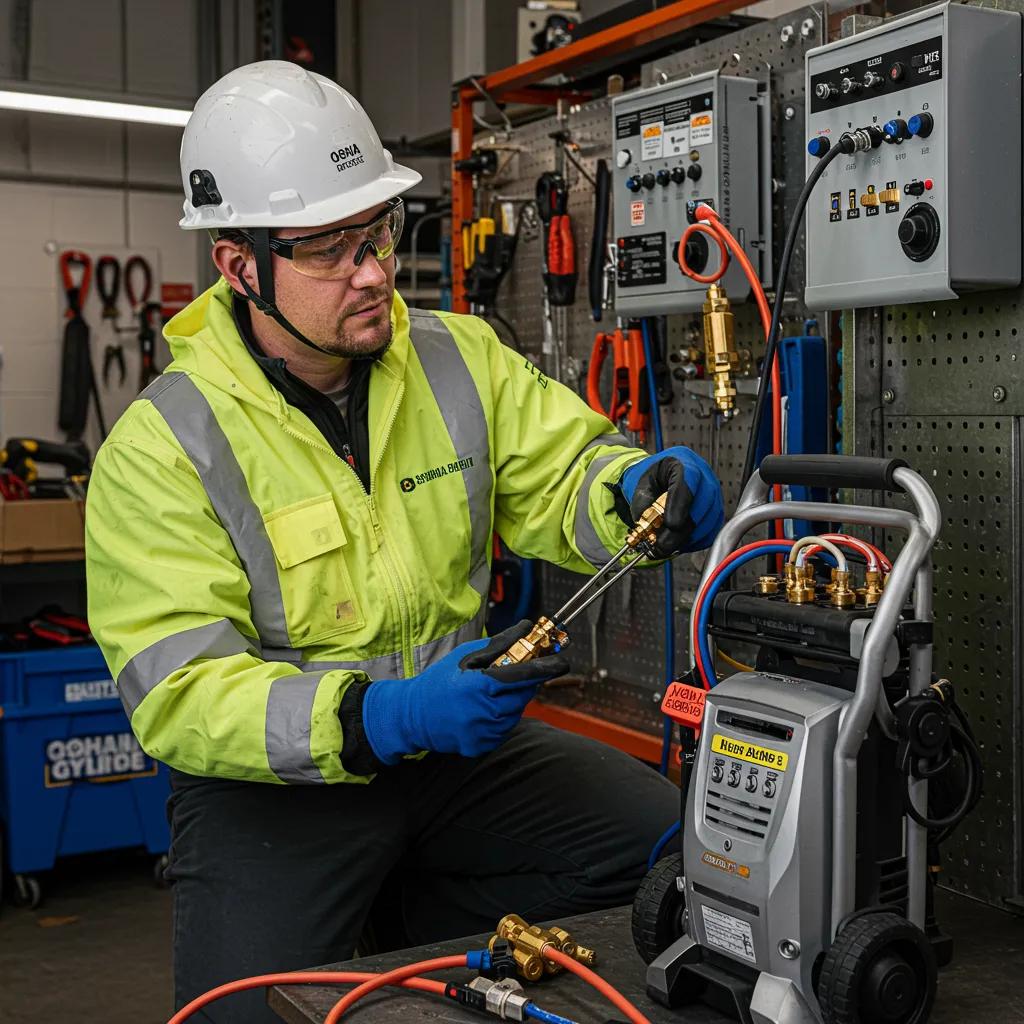
Regulatory coverage ensures uniform safety across commercial cleaning operations. OSHA rules and NFPA 70E standards work together to mandate hazard assessment, equipment selection, and training.
| Regulation | Requirement | Primary Benefit |
|---|---|---|
| OSHA 29 CFR 1910.303-308 | Grounding, wiring methods, circuit protection | Prevents overloads and ensures safe current paths |
| OSHA 29 CFR 1910.243 | Portable powered tools must meet listed standards | Reduces shock risk from handheld pressure washers |
| NFPA 70E Article 130 | Risk assessments, PPE selection, arc flash analysis | Minimizes arc flash exposure and burn injuries |
| NFPA 70E Article 110 | Electrical equipment maintenance requirements | Keeps devices in safe condition and prevents faults |
Adhering to both sets of rules ensures every pressure-washing setup in Sarasota meets federal grounding, insulation, and maintenance benchmarks, offering full protection against electrical failures.
OSHA Electrical Safety Standards
OSHA regulations, specifically 29 CFR 1910.303-308, mandate grounding, proper wiring methods, and circuit protection to prevent electrical overloads and ensure safe current paths. Additionally, OSHA 29 CFR 1910.243 requires that portable powered tools meet listed standards to reduce shock risks.
Occupational Safety and Health Administration (OSHA), Electrical Standards for General Industry (2024)
This citation supports the article’s claims about OSHA’s role in ensuring electrical safety in commercial pressure washing operations.
What OSHA Electrical Safety Regulations Apply to Commercial Pressure Washing?
OSHA mandates that all electrical tools and circuits be grounded and equipped with overcurrent protection. Pressure washers powered by electricity must use GFCI devices and follow cord-rating guidelines. Outlets near water require Class A ground-fault circuit interrupters to trip within milliseconds of a fault. These rules reduce shock and fire hazards on commercial sites.
How Does NFPA 70E Guide Workplace Electrical Safety and Arc Flash Prevention?
NFPA 70E provides a structured framework for conducting electrical risk assessments, selecting arc-rated PPE, and implementing safe work practices. It requires employers to identify shock and arc flash boundaries, apply suitable barriers, and maintain electrically safe work conditions before any maintenance or cleaning activity. This structured approach strengthens on-site hazard elimination.
NFPA 70E and Arc Flash Prevention
NFPA 70E provides a structured approach to electrical safety in the workplace, including risk assessments, PPE selection, and arc flash analysis. Article 130 of NFPA 70E focuses on minimizing arc flash exposure and burn injuries, while Article 110 outlines electrical equipment maintenance requirements to prevent faults.
National Fire Protection Association (NFPA), NFPA 70E: Standard for Electrical Safety in the Workplace (2024)
This citation reinforces the article’s discussion of NFPA 70E standards and their importance in preventing electrical hazards.
What Are the Key OSHA and NFPA 70E Requirements for Pressure Washing Safety?
- Risk Assessment – Evaluate shock and arc flash potential before beginning work.
- Circuit Protection – Install and test GFCIs on all wet-area outlets.
- PPE & Maintenance – Use insulated gloves, face shields, and keep wiring and connectors in perfect condition.
Meeting these requirements prevents most electrical incidents and supports uninterrupted operations.
What Essential Electrical Safety Equipment Is Required for Commercial Pressure Washing?
Using the right protective devices and cables transforms a risky setup into a controlled cleaning system.
| Equipment | Function | Safety Impact |
|---|---|---|
| Ground Fault Circuit Interrupter (GFCI) | Detects and interrupts ground faults | Cuts power in milliseconds to prevent shock |
| Proper Grounding System | Bonds equipment to earth ground | Stabilizes voltage and prevents stray currents |
| Insulated, Outdoor-Rated Cords | Resists moisture and abrasion | Maintains insulation integrity under pressure wash |
How Do Ground Fault Circuit Interrupters (GFCIs) Protect Against Electrical Shock?
GFCIs sense imbalance between hot and neutral conductors and instantly trip the circuit. In pressure washing, they stop current flow when water contacts live parts, preventing shocks and reducing electrocution risk. Regularly testing GFCIs before each job ensures they remain responsive.
GFCI Protection and Electrical Safety
Ground Fault Circuit Interrupters (GFCIs) are essential for electrical safety in wet environments. They detect imbalances in electrical circuits and quickly cut off power, preventing electrical shock. Regular testing of GFCIs is crucial to ensure they remain responsive and effective in preventing accidents.
U.S. Consumer Product Safety Commission, Ground Fault Circuit Interrupters (GFCIs) (2023)
This citation supports the article’s emphasis on the importance of GFCI devices in protecting against electrical shock during pressure washing.
Why Is Proper Grounding Vital for Pressure Washing Equipment?
Grounding provides a low-resistance path for stray currents to follow into the earth rather than through a person. Connecting the pressure washer frame, motor housing, and generator casing to a grounding electrode system stabilizes voltage. This measure prevents unexpected energizing of metal parts.
What Role Do Insulated and Outdoor-Rated Power Cords Play in Safety?
Insulated, weatherproof cords protect conductors from moisture penetration, abrasion, and UV degradation. Thick jackets and reinforced plugs maintain durability under high-pressure spray. Using cords rated for outdoor use ensures insulation remains intact and prevents premature failures.
What Best Practices Prevent Electrical Hazards During Commercial Pressure Washing?
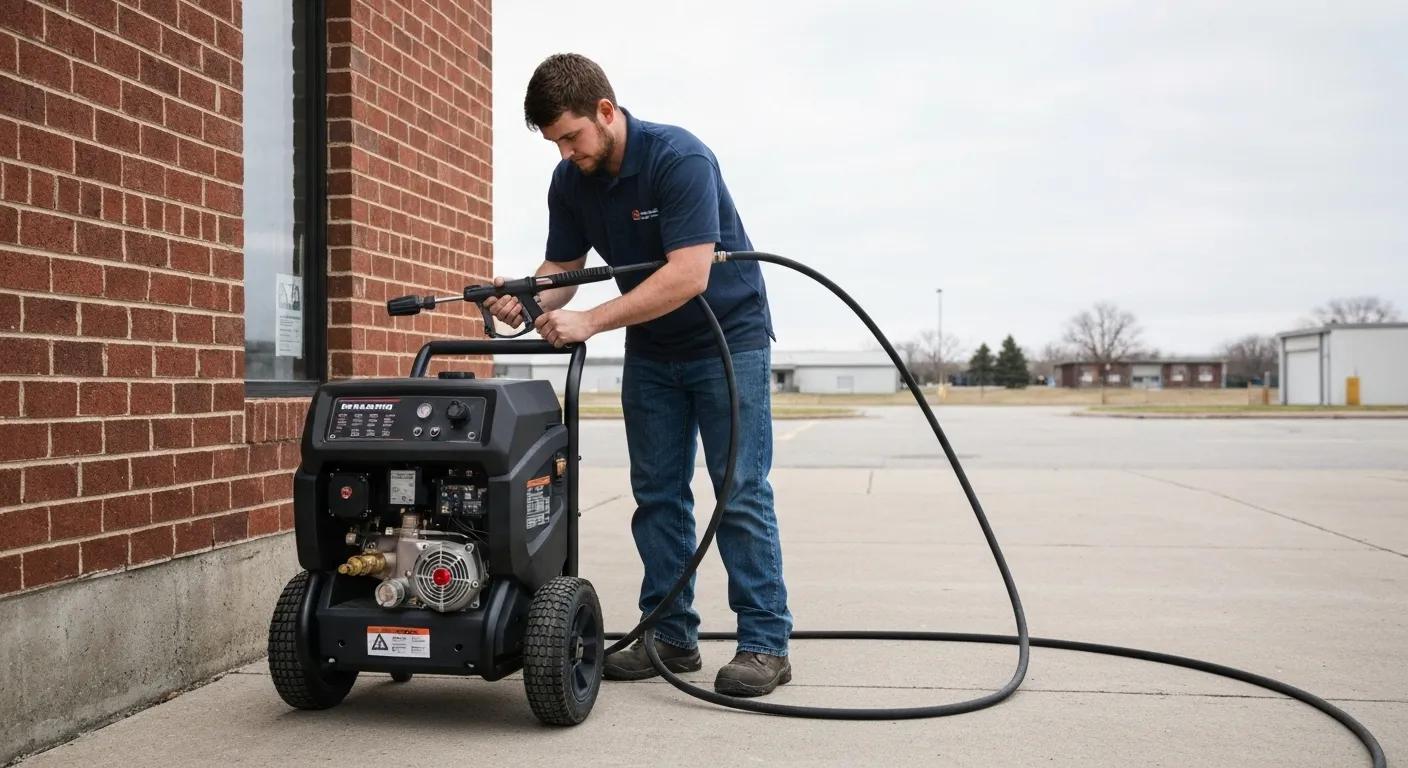
Proactive planning and consistent procedures reduce exposures more than any single piece of equipment.
- Pre-Job Site Electrical Assessment: Walk the perimeter to locate outlets, panels, and overhead lines. Mark and protect all circuits before setup.
- Safe Cord Management: Route cables away from traffic, avoid kinks, and secure lines above foot level.
- Wet Condition Protocols: Limit work in standing water, use low-pressure rinse when needed, and deploy insulated mats for technicians.
- Equipment Inspection & Maintenance: Check cables for cuts, confirm GFCI functionality, and clean connections after each job.
Introducing these practices at every job start enhances safety continuity and minimizes unexpected shutdowns.
How Should Pre-Job Site Electrical Assessments Be Conducted?
Begin by identifying all potential electrical contact points, including receptacles, junction boxes, and overhead service lines. Use weather-proof covers or temporary lockout devices to secure live outlets. Document each hazard on a site map to guide technicians through a safe work plan.
What Are Safe Cord Management Techniques to Avoid Electrical Risks?
Lift cords off the ground using poles or overhangs, bundle excess length to prevent tripping, and inspect plugs for corrosion. Avoid wrapping cords tightly around equipment, which can damage insulation. Clear demarcations ensure teams know which lines supply power and which are safe to handle.
How Can Operators Safely Work in Wet or Rainy Conditions?
Operators should pause work if puddles exceed ankle depth, switch to low-pressure mode to clear debris, and stand on non-conductive platforms. When rain intensifies, power down equipment, unplug, and cover connectors until conditions improve.
Why Is Regular Equipment Inspection and Maintenance Crucial?
Routine checks catch frayed cords, loose terminals, and worn GFCI devices before faults occur. Cleaning moisture from plugs and testing circuit interrupters keep protective features operating at peak performance and extend equipment lifespan.
How Does Training and Certification Improve Electrical Safety in Pressure Washing?
Well-trained technicians reduce human error and deliver safer, faster service that protects both staff and property.
What Training Is Required for Technicians Handling Electrical Hazards?
Technicians must complete PWNA accreditation courses covering hazard recognition, GFCI testing, lockout/tagout procedures, and PPE use. OSHA’s “Qualified Electrical Worker” training provides advanced instruction on risk assessment and safe work permits, equipping crews to identify and eliminate hazards.
How Does Gorilla Kleen Ensure Qualified Personnel for Safe Operations?
Gorilla Kleen enforces ongoing in-house training sessions led by safety managers and partners with PWNA for recertification. Every technician carries a credentials card and attends quarterly drills on electrical rescue procedures, confirming competence before each commercial job in Sarasota.
What Emergency Procedures Should Be Followed During Electrical Incidents?
In case of a fault, technicians immediately shut off main breakers or use the emergency stop on the power washer. Once power is isolated, they render aid without touching the victim, call 911, and use non-conductive tools to remove the victim from live conductors. An incident report and equipment analysis follow to prevent recurrence.
What Are the Benefits of Choosing a Sarasota-Based Commercial Pressure Washing Service Focused on Electrical Safety?
Local expertise delivers faster response, tailored compliance, and community trust that national providers can’t match.
How Does Local Expertise Enhance Electrical Safety Compliance?
Working in Sarasota means understanding local codes, weather patterns, and site layouts unique to Florida’s coastal environment. Familiarity with municipal permitting and utility service locations streamlines hazard planning and avoids regulatory delays.
What Are Gorilla Kleen’s Unique Safety Protocols for Electrical Hazard Mitigation?
Gorilla Kleen integrates wastewater recycling systems that separate water from live outlets and uses dual-sensor GFCIs rated for harsh weather. Proprietary site-scan software maps each job’s electrical layout, ensuring no circuit is overlooked during pre-job planning.
How Can Sarasota Businesses Request a Safety-Focused Pressure Washing Estimate?
Local owners can request a free, no-obligation quote through our commercial pressure washing services page or by calling the Sarasota office. A safety specialist will assess electrical risks virtually or on-site and deliver a customized proposal within 24 hours.
What Frequently Asked Questions Do Businesses Have About Electrical Safety in Pressure Washing?
Commercial clients often seek clear guidance on mandatory protections, gear selection, inspection cadences, and hazard signs.
Is GFCI Protection Mandatory for Commercial Pressure Washers?
Yes. GFCI protection is required for all electric pressure washers operating in wet environments. This device prevents shock by detecting ground faults and cutting power before current can travel through a technician’s body.
What Personal Protective Equipment (PPE) Is Needed for Electrical Safety?
Technicians should wear insulated gloves rated for 1,000 V, dielectric boots, and arc-rated face shields when performing maintenance or working near live circuits. The correct PPE reduces burn risk and electrical conduction through clothing.
How Often Should Electrical Safety Inspections Be Conducted?
Inspections should occur before every shift—testing GFCIs, examining cords, and verifying grounding connections. A full maintenance audit, including infrared scanning of panels, should happen quarterly to catch hidden faults.
What Are the Signs of Electrical Hazards to Watch for During Cleaning?
Watch for sparks at connections, unusual humming or buzzing from equipment, tripped breakers, and discoloration on cords or outlets. Early detection of these indicators allows immediate corrective action and keeps crews safe.
Gorilla Kleen’s commitment to electrical safety, local code compliance, and certified training ensures your Sarasota business receives damage-free, efficient cleaning every time. Request a free, safety-focused commercial pressure washing estimate now to protect your property and your team.

studied Business Administration at Vanderbilt University and received his BA there.
- How to Clean Stucco the Right Way: What Florida Homeowners Should Know Before Pressure Washing - March 12, 2026
- Preparing Your Home for Florida’s Rainy Season: Exterior Cleaning That Prevents Mold and Algae - March 12, 2026
- What Actually Causes Black Roof Streaks in Sarasota — And How to Stop Them From Coming Back - February 9, 2026